
Running a successful short-term rental takes more than great photos and fast responses. Cleanliness and comfort matter, but property condition plays an equally important role. Top-performing hosts know that small issues can quickly turn into big problems if nobody catches them in time.
The difference between an average host and a high-earning one often comes down to systems. One of the most valuable systems you can build is a reliable way to catch Airbnb guest damage early, before it affects the next stay. Early detection protects your reviews, your revenue, and your long-term property value.
Why Early Damage Detection Matters
Guest damage does not always look dramatic. A broken lamp is obvious. A slow leak under the sink or a stained mattress protector is not. Many issues stay hidden until the next guest points them out in a review.
By then, the cost is higher. A simple repair can turn into a refund, a bad rating, or even a canceled booking. That is why Airbnb guest damage prevention starts with proactive inspections, not reactive fixes.
Early detection helps you:
- Protect five-star reviews
- Avoid guest complaints
- Reduce repair costs
- Extend the life of furnishings
- Maintain listing quality
- Support long-term profitability
High-volume rentals especially need strong systems. Frequent turnovers increase wear and tear and raise the chance of unnoticed damage.
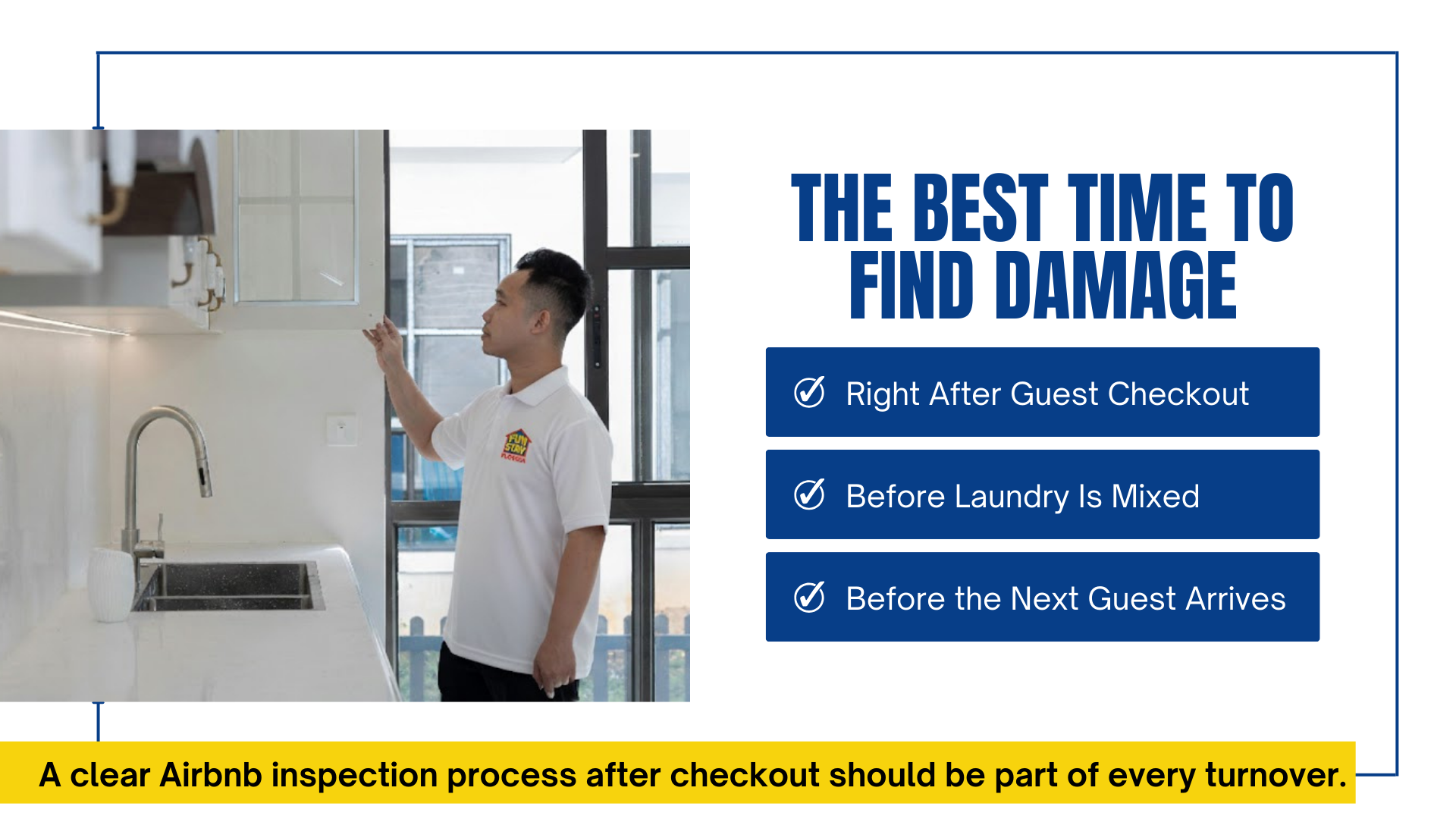
The Best Time to Find Damage
Timing matters. The ideal moment for a vacation rental damage inspection is immediately after checkout and before cleaning is complete.
Here is why:
1) Right After Guest Checkout
Inspecting soon after checkout makes it easier to connect damage to the correct stay. This matters if you need to file a claim or request reimbursement.
2) Before Laundry Is Mixed
Linens can hide stains, burns, or tears. Checking bedding before it goes into a shared wash cycle helps identify the source.
3) Before the Next Guest Arrives
This sounds obvious, but some hosts rely only on cleaning crews to report problems. Cleaners focus on cleanliness, not always on maintenance. A structured inspection ensures nothing slips through.
Common Damage Blind Spots Hosts Miss
Even experienced hosts overlook certain areas. Damage often hides in places that do not get daily attention.
Furniture Undersides
Guests sometimes drag furniture, causing scratches or loose legs. Flip chairs and check table stability.
Mattresses and Mattress Protectors
Stains, odors, or moisture can signal spills or accidents. Protectors help, but they still need inspection.
Walls and Baseboards
Scuffs, chips, and small holes appear more often than hosts expect. Luggage and careless movement usually cause them.
Appliances
Microwaves, coffee makers, and dishwashers can develop problems between stays. Quick function checks help spot Airbnb maintenance issues between stays.
Outdoor Areas
Patio furniture, grills, and pool areas experience frequent wear. Outdoor damage can escalate quickly in Florida weather.
Wear and Tear vs Damage
Understanding vacation rental wear and tear vs damage helps hosts respond fairly and professionally.
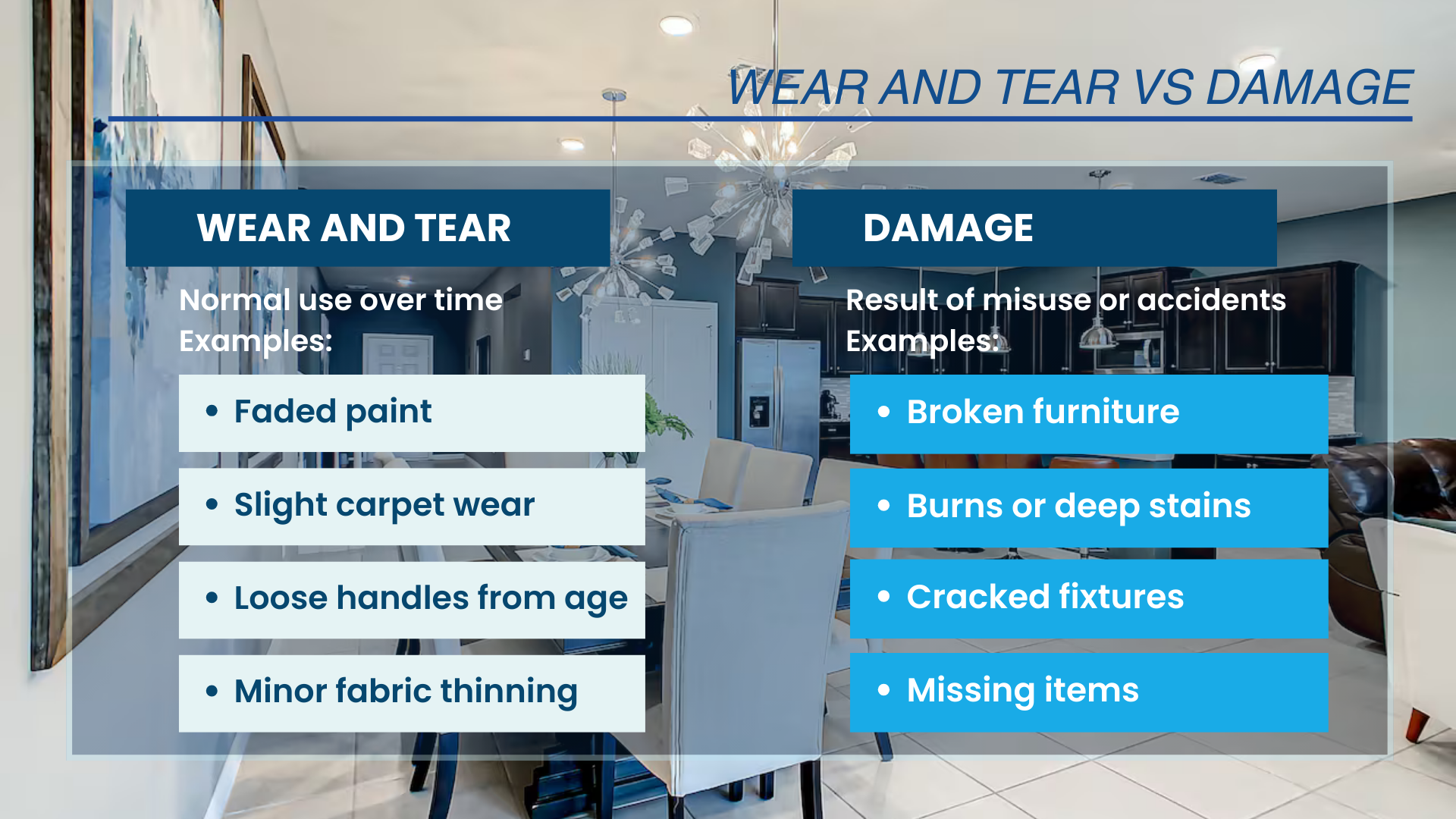
Clear documentation helps separate the two. Photos and written records reduce disputes and protect hosts.
How to Find Damage After Airbnb Guests
Many hosts ask how to find damage after Airbnb guests without spending hours inspecting. The answer is a repeatable system.
A structured process includes:
Room-by-Room Checks
Follow the same order every time. Consistency reduces missed details.
Photo Documentation
Take quick photos of high-risk areas. Time-stamped images provide useful records.
Functional Testing
Turn on appliances, check remotes, flush toilets, test locks, and verify Wi-Fi.
Smell Check
Odors often reveal hidden issues like spills, smoking, or mildew.
Inventory Review
Confirm small items like towels, utensils, and décor remain intact.
This system turns inspections into a routine instead of a guessing game.
The Power of an Airbnb Turnover Inspection Checklist
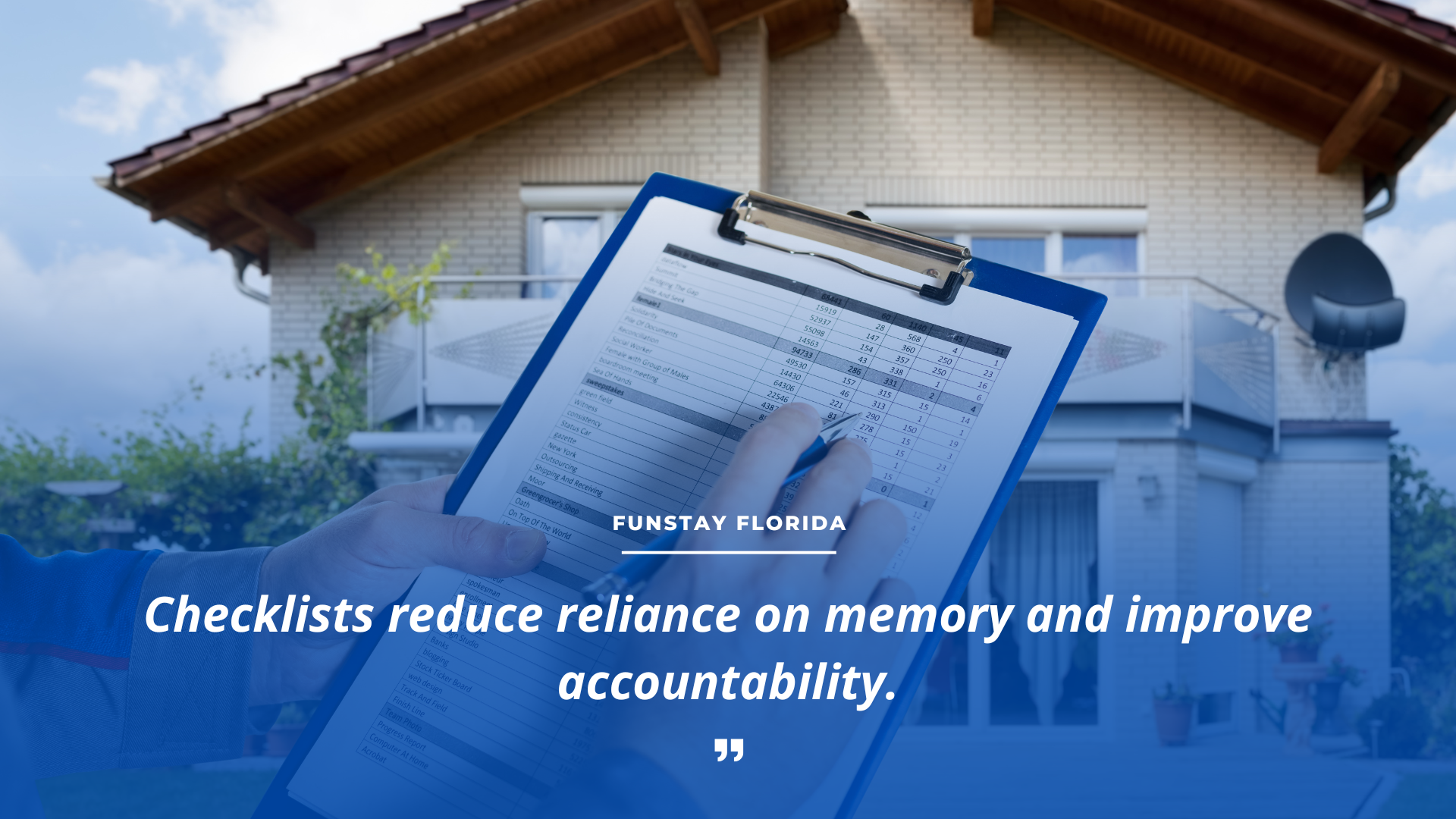
An Airbnb turnover inspection checklist keeps everyone aligned. It ensures your standards stay consistent across every stay.
A strong checklist includes:
Kitchen
- Appliance function
- Cabinet condition
- Dish and utensil count
- Sink and faucet check
Bathroom
- Leak inspection
- Toilet stability
- Mirror condition
- Exhaust fan function
Bedroom
- Mattress condition
- Linen inspection
- Furniture stability
- Closet check
Living Areas
- Upholstery condition
- Electronics test
- Wall and décor check
Exterior
- Door locks
- Outdoor furniture
- Lighting
- Trash areas
Short-Term Rental Damage Control Strategies
Strong short-term rental damage control goes beyond inspections.
Use Protective Measures
- Mattress protectors
- Sofa covers
- Durable dinnerware
- Washable rugs
Set Clear House Rules
Rules about parties, pets, and smoking reduce risk.
Security Deposits and Coverage
Airbnb’s AirCover and deposits provide financial protection, but documentation remains essential.
Smart Guest Screening
Review guest history and communication style. Responsible guests often show signs early.
Who Is Responsible for Airbnb Damage?
Many hosts wonder who is responsible for Airbnb damage. In most cases, the guest who caused it holds responsibility. Airbnb provides a resolution center for claims, but hosts must supply evidence.
Helpful steps:
- Document damage immediately
- Take clear photos
- Save receipts and estimates
- File claims promptly
Waiting too long weakens your case. Early detection strengthens it.
Why Professional Support Makes a Difference
Top hosts rarely manage everything alone. Professional turnover teams help maintain quality and consistency. Structured cleaning and inspection services often spot issues faster than solo hosts.
Professional teams:
- Follow checklists
- Document findings
- Report maintenance needs
- Prepare units for quick fixes
- Support consistent standards
High-volume hosts benefit the most from professional systems.
Many Florida hosts rely on experienced partners like FunStay Florida to keep operations smooth. Their structured turnover and inspection approach helps owners protect their properties and maintain guest satisfaction.
Prevent Guest Damage Before Next Check-In
Prevention always beats repair. To prevent guest damage before next check-in, focus on both preparation and education.
Provide Clear Instructions
Guests treat homes better when expectations stay clear.
Use Quality Materials
Durable furnishings last longer and resist damage.
Schedule Deep Inspections
Monthly or quarterly deep checks catch long-term issues.
Keep Communication Friendly
Guests who feel respected often show more care for the property.
The Long-Term Value of Smart Inspections
Catching small issues early protects your listing quality. It also protects your investment. Properties in good condition attract better guests and stronger reviews.
Over time, consistent inspections help:
- Maintain resale value
- Reduce replacement costs
- Support premium pricing
- Build guest trust
Hosts who treat inspections as part of operations, not an afterthought, often outperform competitors.
Catch Damage Early and Protect Your Airbnb
Great hosting is not only about hospitality. It is also about smart property management. A structured routine helps you catch Airbnb guest damage early, understand the Airbnb theft claim process, keep clear records, and act quickly when issues appear. Small checks today can prevent bigger problems tomorrow.
High-performing hosts treat their rentals like businesses. Systems, documentation, and professional support create consistency and reduce risk. When your property stays protected and well-managed, your reviews, revenue, and peace of mind follow. Many hosts work with trusted teams like FunStay Florida for added oversight and security.
Frequently Asked Questions
How do you catch Airbnb guest damage early?
You catch Airbnb guest damage early by inspecting the property immediately after checkout. A room-by-room review, photo documentation, and quick function tests help identify problems before the next guest arrives. Consistency is key.
What is included in a vacation rental damage inspection?
A vacation rental damage inspection checks furniture, appliances, walls, linens, and outdoor areas. Hosts also test plumbing, electronics, and locks. The goal is to spot anything broken, missing, or heavily worn.
How soon should you inspect after guest checkout?
Inspection should happen as soon as possible after checkout. Early checks make it easier to link damage to the correct guest. This timing also allows fast repairs before the next arrival.
What are common Airbnb maintenance issues between stays?
Common issues include loose fixtures, appliance malfunctions, plumbing leaks, and stained linens. Small problems often appear after frequent turnovers. Catching them early prevents bigger repairs.
How can hosts prevent guest damage before the next check-in?
Hosts can prevent damage by using protective covers, setting clear house rules, and screening guests carefully. Durable furniture and simple instructions also help. Prevention reduces long-term costs.
What is the difference between wear and tear and damage?
Wear and tear happens naturally over time, like faded paint or light carpet wear. Damage results from misuse, such as broken furniture or burns. Knowing the difference helps with fair claims.
Who is responsible for Airbnb guest damage?
Guests are usually responsible if they cause damage during their stay. Airbnb provides a resolution process for claims. Clear documentation improves your chances of reimbursement.
Should hosts use a turnover inspection checklist?
Yes, a checklist improves consistency and reduces missed issues. It creates a repeatable system for every turnover. Many professional hosts rely on checklists to maintain quality.
