
They say experience is the best teacher, and after growing FunStay Florida to over 100 properties, I can tell you that short-term rental investing is a masterclass in business, hospitality, and human nature. When I started, I thought it was all about finding a nice property and listing it online. I quickly learned that building a successful STR portfolio is far more complex and rewarding than I ever imagined.
My name is Mike Chen, and I want to share the unfiltered lessons I’ve learned from the front lines of vacation rental management. These are the insights that have helped me scale my business and can help you make smarter investment decisions. We’ll cover everything from picking the right spot to mastering the art of the five-star review.
Here’s what I’ve learned about what it really takes to succeed in STR investing.
Lesson 1: Location Isn’t Everything, It’s the Only Thing
You’ve heard it a million times: “location, location, location.” In the STR world, this is less a cliché and more a golden rule. But it’s not just about being beachfront or downtown. The best locations are those that match a specific type of guest with a specific type of experience.
Find Your Niche Audience
Instead of buying in a popular tourist-heavy area and competing with hundreds of other listings, I learned to identify underserved niches. A quiet cabin near a lesser-known hiking trail can be a goldmine for nature lovers. A condo with a dedicated workspace and lightning-fast Wi-Fi near a business park can attract a steady stream of corporate travelers.
Before you invest, define your ideal guest. Are they families, couples, remote workers, or event attendees? Once you know who you’re targeting, you can find a location that caters directly to their needs, giving you a powerful competitive edge.
Lesson 2: The Guest Experience is Your Most Valuable Asset
A comfortable bed and a clean bathroom are the bare minimum. To truly succeed and earn repeat bookings, you must create a memorable guest experience. This is where you can stand out from the competition, which is often managed by large, impersonal companies.
Small Details, Big Impact
Over the years, I’ve seen firsthand how small, thoughtful touches can transform a good stay into a great one.
- A Welcome Basket: A simple basket with local snacks, bottled water, and a handwritten welcome note costs very little but makes a huge first impression.
- A Digital Guidebook: Provide a curated guide to your favorite local spots, restaurants, attractions, and hidden gems. This shows you care about their entire trip, not just their time inside your property.
- High-Quality Essentials: Don’t skimp on things guests use every day. Invest in plush towels, comfortable linens, and a well-stocked kitchen with quality coffee. Guests notice and appreciate the difference.
Communication is Key
From the moment a guest books until after they check out, clear and friendly communication is non-negotiable. I automated our messaging for key touchpoints booking confirmation, check-in instructions, and a mid-stay check-in to ensure consistency. However, I always make sure a real person is available to quickly answer questions or resolve issues. A problem handled swiftly and professionally can often result in a more positive review than if nothing had gone wrong at all.
Lesson 3: Dynamic Pricing is Your Superpower
When I first started, I set a nightly rate and a weekend rate, and that was it. I was leaving a massive amount of money on the table. The biggest shift in our profitability came when we embraced dynamic pricing adjusting rates based on real-time supply and demand.
Let Data Drive Your Decisions
Managing over 100 properties taught me that gut feelings don’t work. We use pricing software that analyzes market data, local events, holidays, seasonality, and even competitor pricing to optimize our rates daily. This means we can charge a premium during a big conference or music festival and lower prices to attract bookings during the slow season.
Without dynamic pricing, you’re either underpriced during peak demand or overpriced during lulls. Using data ensures you’re capturing the maximum possible revenue for every single night.
Lesson 4: Operational Efficiency is the Path to Scale
Juggling one or two properties is manageable. Juggling 10, 50, or 100+ is impossible without rock-solid systems. Your ability to scale your STR portfolio is directly tied to your operational efficiency.
Automate Everything You Can
Technology is your best friend. We use a suite of tools to automate the tedious, repetitive tasks that used to consume hours of my day.
- Property Management System (PMS): This is our central hub. It syncs calendars across all booking platforms (like Airbnb and Vrbo), manages reservations, and centralizes guest communication.
- Smart Locks: Key handoffs are a thing of the past. Smart locks allow us to generate a unique code for each guest that activates at check-in and expires at check-out. It’s more secure and infinitely more convenient.
- Cleaning & Maintenance Scheduling: We use software to automatically schedule cleaners after each checkout and assign maintenance tasks. Our cleaners get notified, receive a checklist, and can report any issues directly through the app.

Lesson 5: Adaptability is Your Secret Weapon
If there’s one truth I’ve discovered from managing 100+ vacation rentals, it’s that change is constant. The STR industry is always evolving whether it’s new regulations, shifting market demand, or technology innovations. What worked last year might not work tomorrow, so staying agile is essential.
Stay Ahead of Trends
When local laws changed in one of our key markets, we pivoted quickly by updating our property listings and adjusting our marketing strategy. This flexibility allowed us to stay compliant and maintain high occupancy rates.
Likewise, when guest preferences shifted toward longer stays or remote work amenities, we responded by upgrading Wi-Fi, adding desks, and offering special rates for digital nomads.
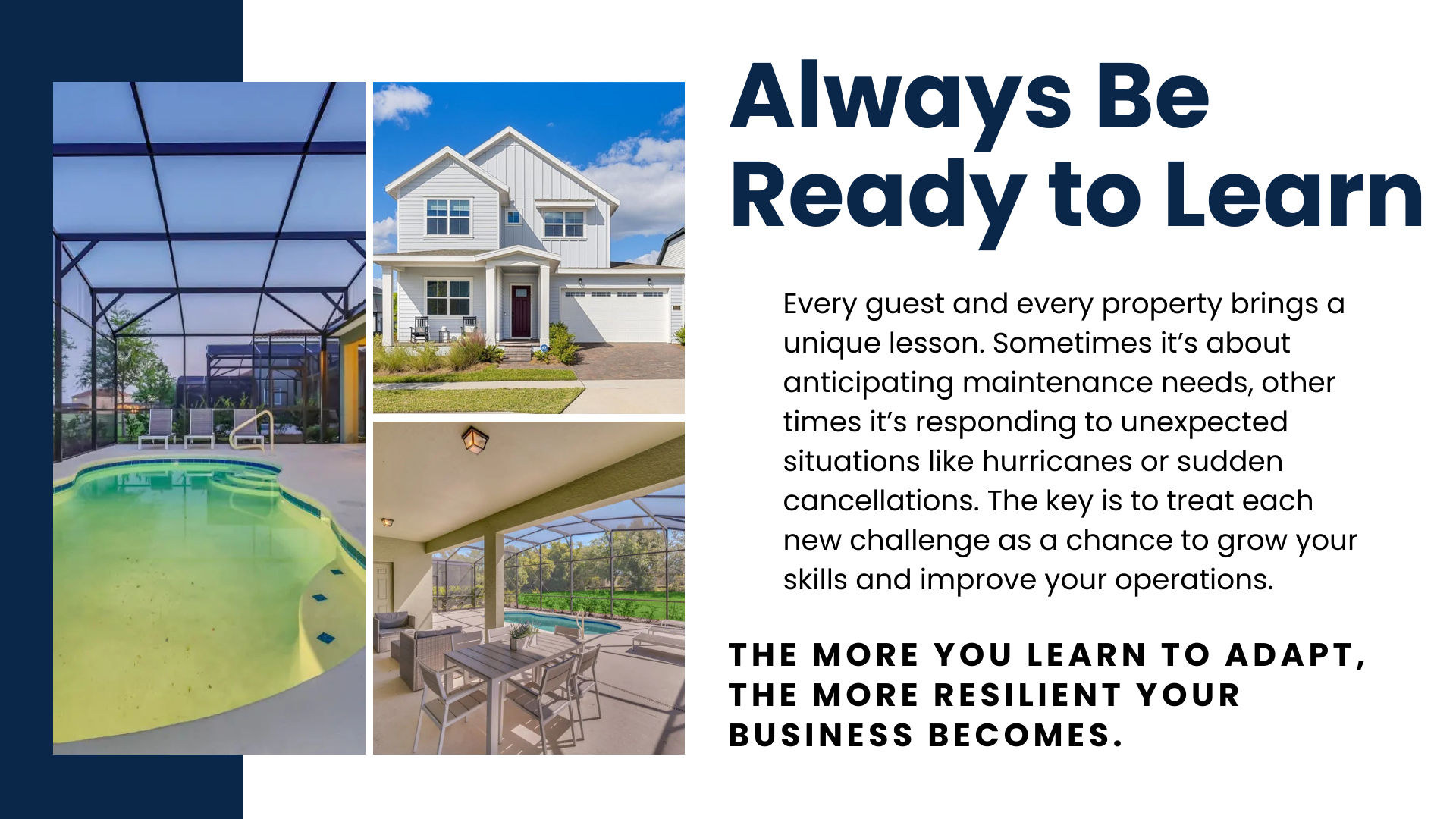
Grow your knowledge by reviewing this Airbnb SEO guide and ROI case study.
Final Advice for Aspiring STR Investors
Managing over 100 properties has been an incredible journey. If I could offer a few final pieces of advice to anyone starting out, it would be this:
- Start with One, and Perfect It: Before you think about buying your second property, master the first. Create your systems, understand your market, and get a feel for the rhythm of hosting.
- Treat It Like a Business, Not a Hobby: From day one, track your income and expenses meticulously. Understand your profit margins, occupancy rates, and average daily rate (ADR). Successful STR investing is a numbers game.
- Never Stop Learning: The STR market is constantly evolving. Stay on top of trends, listen to guest feedback, and always look for ways to improve. What works today might be outdated tomorrow.
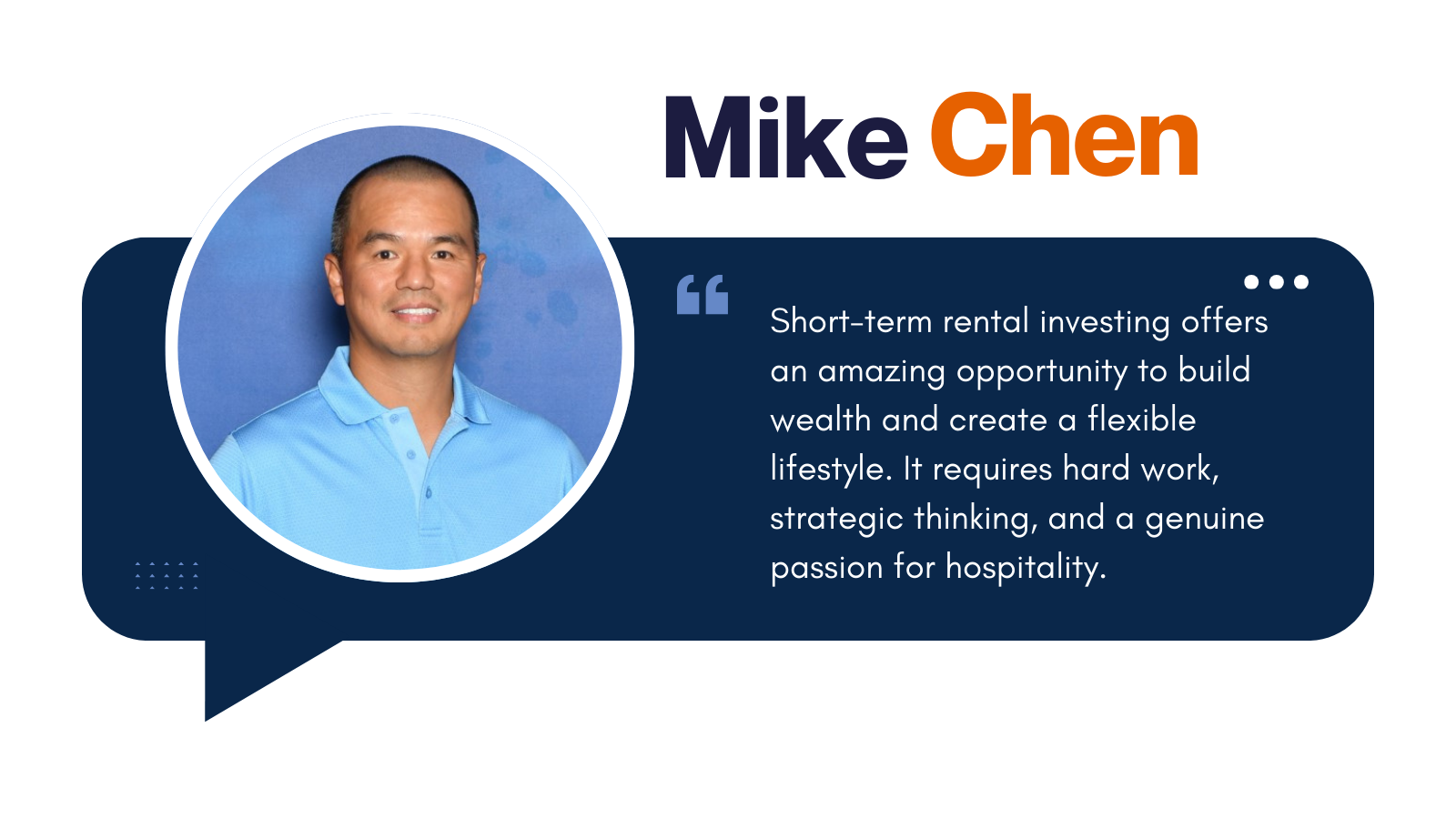
Reach out if you have questions or want to swap stories. I’m always happy to help fellow investors on their journey!
